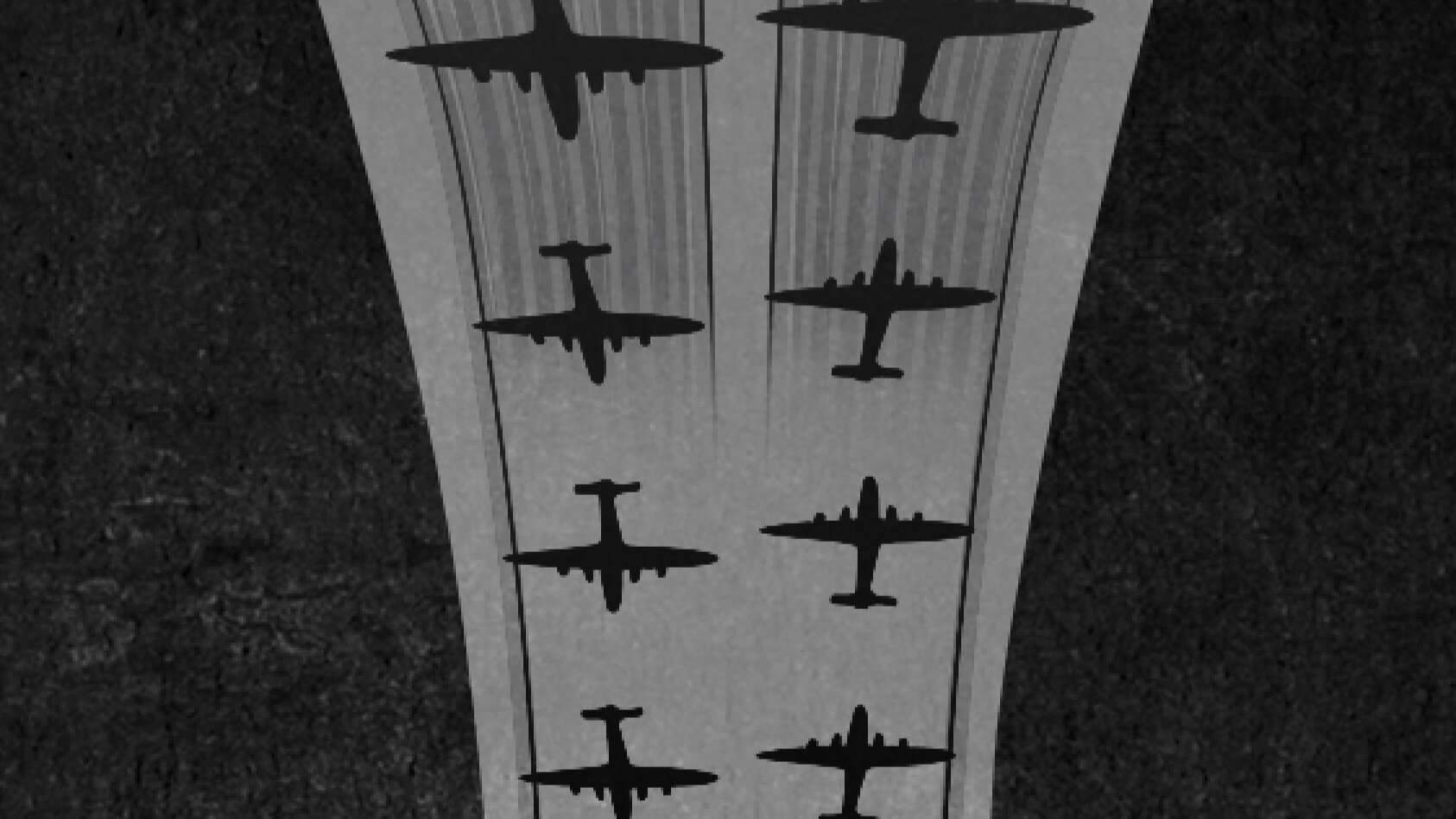
Against a black background, a wide grey corridor stretches out, featuring small black silhouettes of aeroplanes.
Open copyright info

Special exhibition | Web project

Berlin Airlift remembered

Special exhibition | Web project

People, places and objects 75 years ago

The Berlin Airlift: When people make history

In June 1948, the Soviet Union suddenly blocked all road, rail and canal access to West Berlin, effectively cutting off 2.3 million people. Although there were loopholes in the blockade, essential supplies could largely only be delivered via air corridors from West Germany. Instead of withdrawing from West Berlin, the United States and Britain launched one of the most extraordinary relief operations in history – the Berlin Airlift, which contributed to a positive outcome in the first conflict of the Cold War.

Solidarity in 277,000 flights

The web project www.berlinairlift75.org shows how a political conflict between the Western Allies and the Soviet Union became a powerful expression of human solidarity that continues to resonate to this day. In over 277,000 flights, the ‘raisin bombers’ transported not only coal and flour, but also hope to West Berlin. The project shows how international cooperation can succeed in times of crisis.
Marking the 75th anniversary

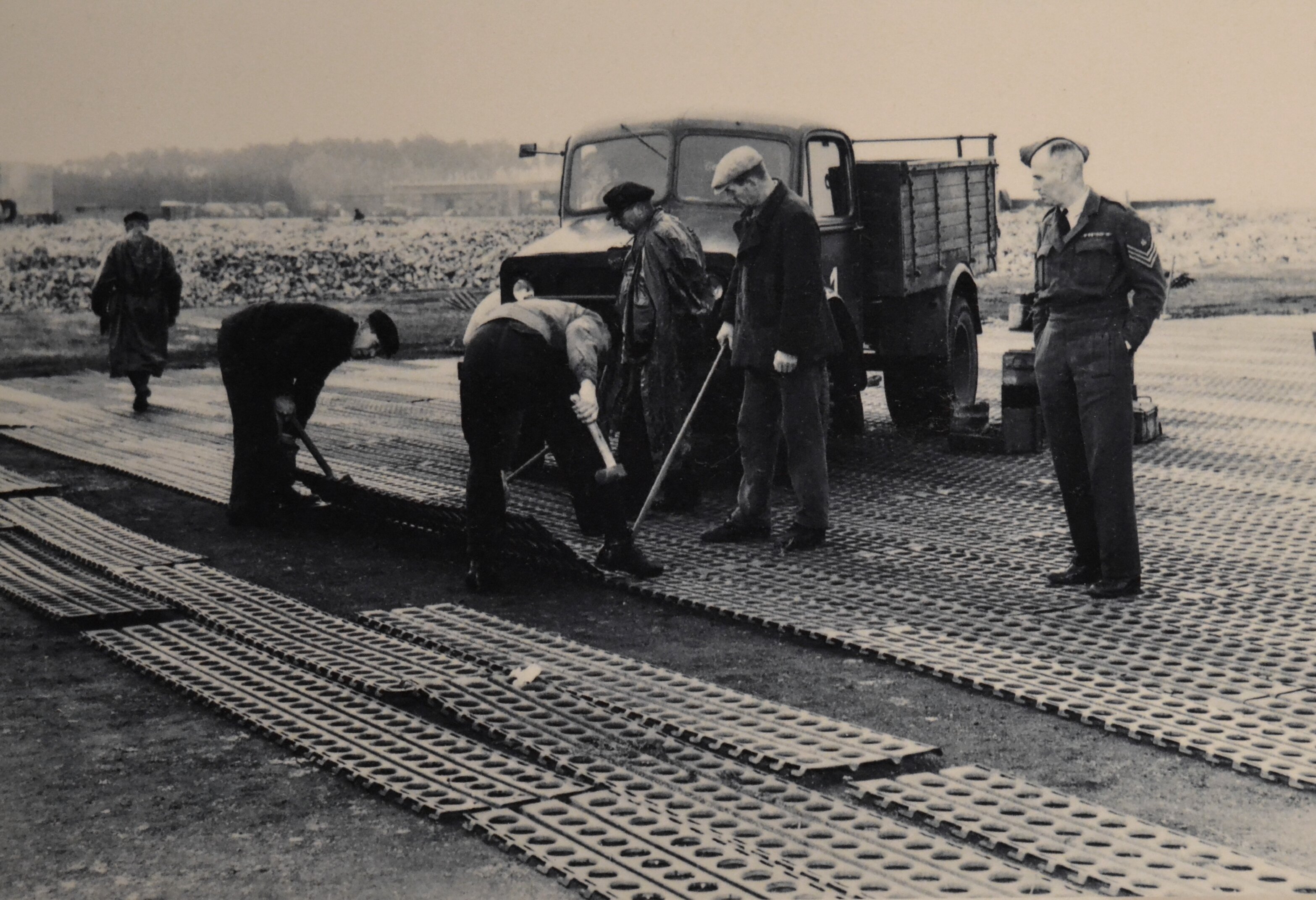
To mark the 75th anniversary of the Berlin Airlift, the Royal Air Force Museum in London, the Military History Museum at Berlin-Gatow Airfield, the National Museum of the United States Air Force and the Allied Museum Berlin joined forces to create this online project. During the anniversary period, multiple posts were published each week on a shared website, creating a multifaceted picture of the events of 75 years ago.

Web project

Would you like to find out more about the Berlin Airlift?

Focusing on people

This web project deliberately shifts the focus away from the political dimension, instead highlighting the people, places and objects affected by the historical events: the ground crew members working around the clock to keep the airlift running; women employed as aircraft mechanics; children waiting for sweets dropped from the sky. What did the pilots experience during their perilous approaches? How did Berlin families survive the winter without sufficient fuel for heating?

The project reflects a range of perspectives: four museums, four curators, four viewpoints – united by a shared aim: to convey a picture of the events at the time.


Sounds interesting?

Has this project sparked your curiosity? Why not take a look at what our museum currently has to offer?

Discover our special exhibitions

Archive
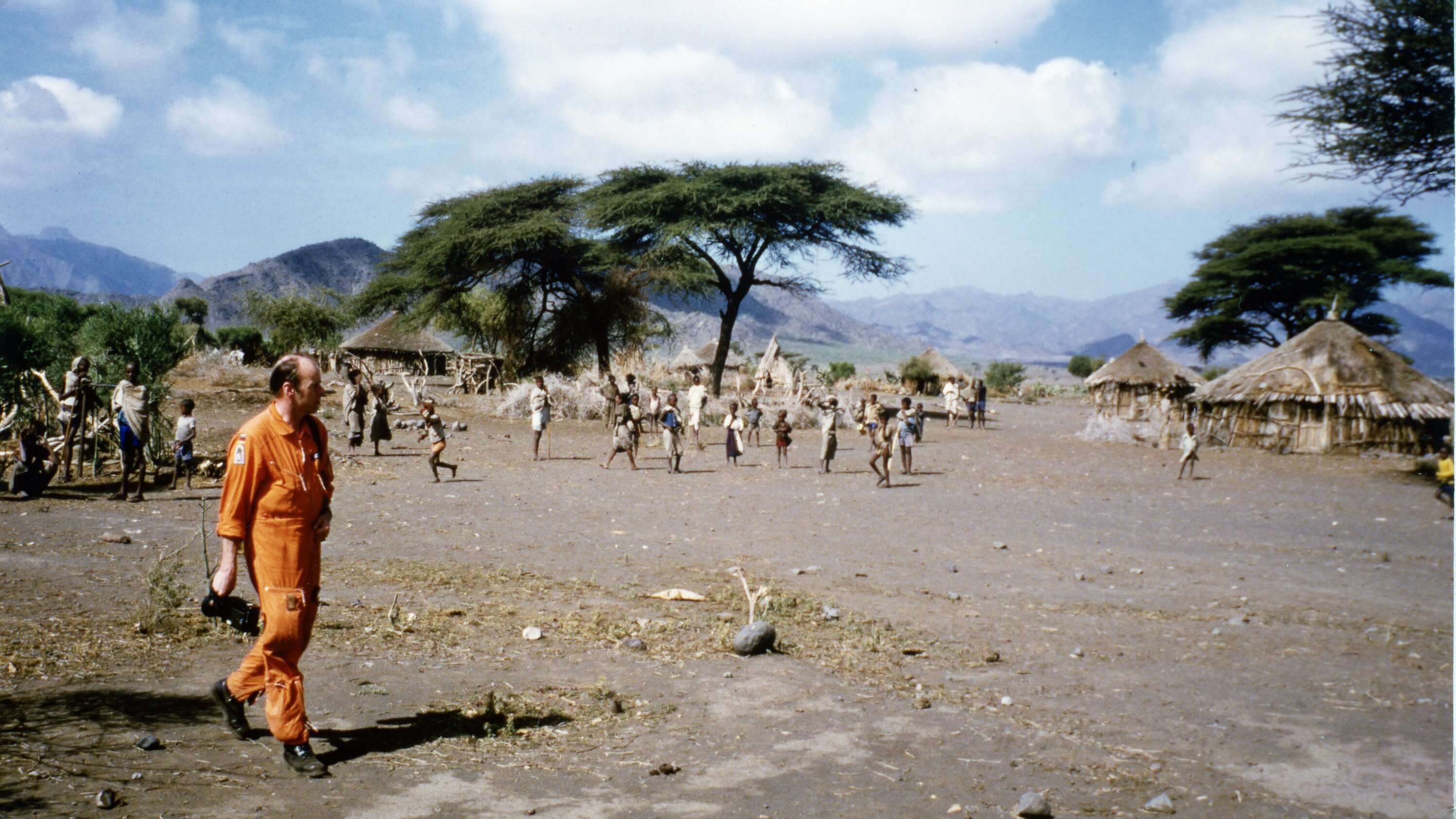
A member of the West German Air Force, wearing an orange jumpsuit, walks through an Ethiopian village with a camera.
Open copyright info

Ethiopia ’84/85

Photos shown in public for the first time of the Bundeswehr and the NVA on a joint relief mission in Ethiopia in 1984/85.

Go to page
Archive
Four red letters appear against a blue background arranged in a square to form the word HELD* (HERO).
Open copyright info

Prinzip Held*

How are heroes made? The exhibition uses examples to show how heroisation works – in an interactive, historical and socially relevant way.

Go to page